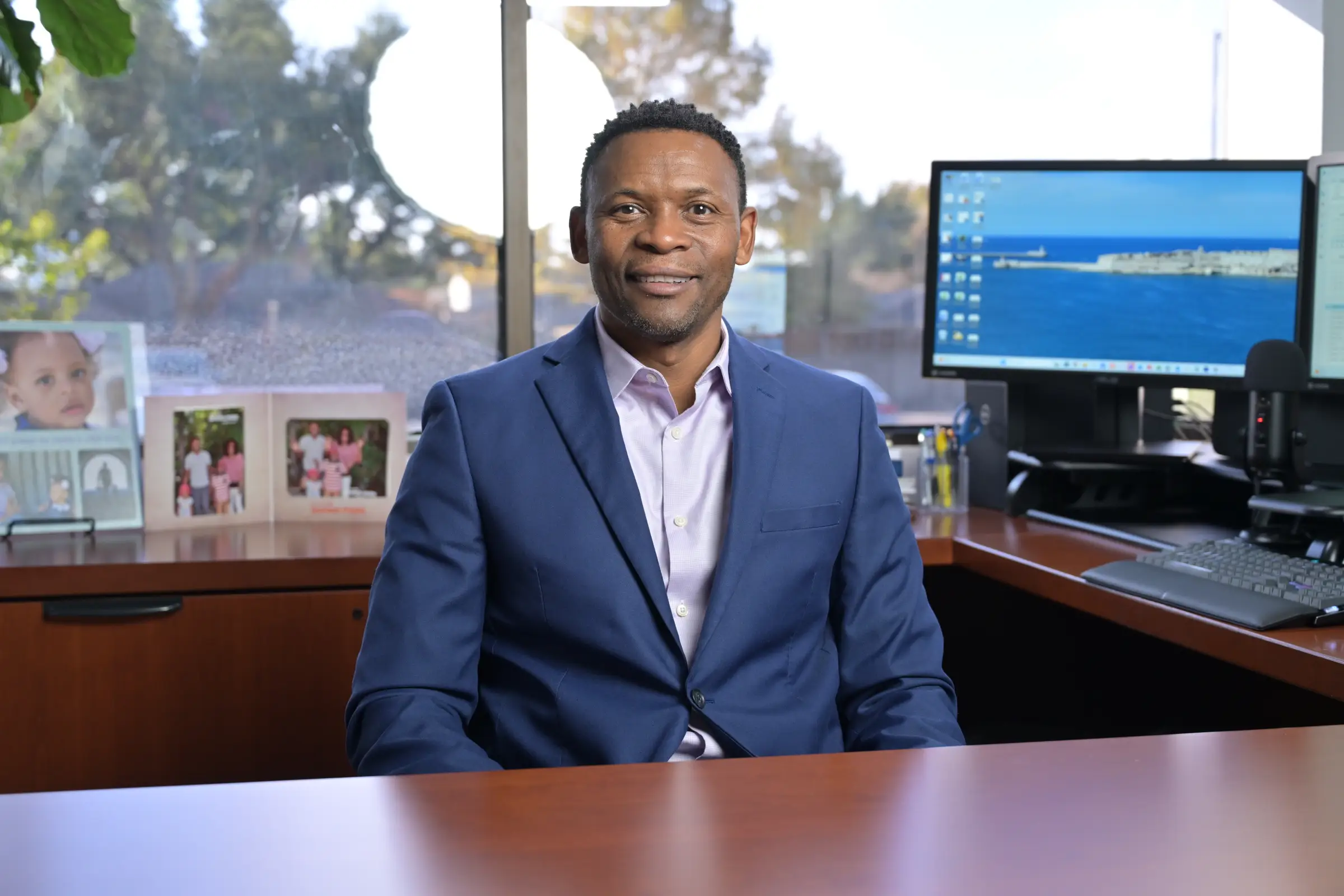
A vCIO plays a central role in digital transformation by connecting technology strategy to business outcomes. While digital transformation encompasses everything from cloud migration to AI adoption to workflow automation, none of it succeeds without executive-level IT leadership guiding the vision, prioritizing investments, and ensuring each initiative delivers measurable value. For small and mid-sized businesses, a vCIO provides that leadership without the cost of a full-time executive hire.
Digital transformation is not a single project. It is an ongoing evolution of how your business uses technology to compete, serve customers, and operate efficiently. The companies that succeed at it have one thing in common: strategic IT leadership driving the process from the top.
Why Digital Transformation Requires a vCIO
Many businesses attempt digital transformation by purchasing new tools or migrating to the cloud without a strategic framework guiding those decisions. The result is often fragmented technology, wasted budget, and frustrated employees who were never properly prepared for the change.
A vCIO prevents this by serving as the bridge between your business leadership and your technology environment. They start with your business goals, not with technology, and work backward to determine which initiatives will deliver the highest impact.
At GXA®, our fractional CIO service embeds a dedicated vCIO into your organization who develops a 12-month IT roadmap, conducts quarterly business reviews, and holds monthly check-ins to ensure transformation initiatives stay aligned with your priorities. This is not a consultant dropping in with recommendations. It is an executive partner who owns the strategy over time.
How a vCIO Drives Digital Transformation
A vCIO approaches digital transformation through several key functions that together create a cohesive, executable strategy.
Strategic Roadmap Development
Every successful digital transformation starts with a roadmap. A vCIO assesses your current technology environment, identifies gaps and opportunities, and builds a phased plan that sequences initiatives based on business impact, budget constraints, and organizational readiness.
This roadmap is not a static document. It evolves quarterly as business conditions change, new technologies emerge, and completed initiatives open the door to the next phase. The vCIO owns this living strategy and ensures it stays connected to your CEO’s growth agenda.
Budget Alignment and Investment Planning
Digital transformation fails when technology spending is disconnected from business value. A vCIO develops an annual IT budget that justifies every line item in terms of business outcomes, not technical specifications. This gives your leadership team, especially your CFO, clear visibility into what you are investing in and why.
This budget-first approach addresses the number one concern we hear from clients: “Why am I paying for this?” A vCIO ensures you always have the answer.
Vendor Evaluation and Management
Transformation often involves evaluating and selecting new technology partners, platforms, and tools. A vCIO brings cross-industry experience from working with multiple organizations, which means they have already vetted many of the solutions your business is considering. They negotiate contracts, manage vendor relationships, and ensure you are getting competitive terms.
GXA’s service model includes vendor management with automatic rate shopping for ISP renewals and SaaS contracts, eliminating the “vendor chaos” that many growing businesses experience.
Change Management and Adoption
Technology that employees do not use or misuse is a wasted investment. A vCIO works with your leadership team to plan rollouts, communicate changes, and build adoption strategies that ensure new tools actually get used. They coordinate with your operations team, whether that is an internal IT department or GXA’s Virtual IT Department, to handle training and support during transitions.
Security Integration
Digital transformation expands your attack surface. Every new cloud platform, remote work tool, or third-party integration introduces potential vulnerabilities. A vCIO ensures that security is built into every transformation initiative from the design phase, not bolted on afterward.
At GXA, the vCIO works alongside our gShield cybersecurity framework to ensure that digital transformation and security posture advance in parallel. This integrated approach is backed by SOC 2 Type II attestation and ISO 9001:2015 certification.
The vCIO’s Role Across Common Transformation Initiatives
Different transformation initiatives require different levels of vCIO involvement. Here is how a vCIO contributes to the most common ones.
Cloud migration. The vCIO evaluates which workloads should move to the cloud, which should stay on-premises, and which hybrid approach delivers the best balance of performance, cost, and security. They plan the migration sequence to minimize disruption and ensure the new environment supports your growth trajectory.
AI and automation. With AI and digital transformation reshaping every industry, a vCIO helps you identify where AI can deliver genuine business value versus where it is hype. They evaluate AI tools, plan pilot programs, and measure outcomes before committing to enterprise-wide rollouts.
Workflow automation. A vCIO identifies manual processes that drain employee productivity and maps out automation opportunities. This includes everything from automated onboarding workflows to streamlined approval processes to integrated business systems.
Remote and hybrid work enablement. The vCIO designs technology strategies that support distributed teams without compromising security or collaboration. This includes evaluating communication platforms, securing remote access, and ensuring performance parity between office and remote workers.
Why SMBs Need a vCIO for Transformation
Large enterprises have full-time CIOs, CTOs, and transformation offices dedicated to this work. Small and mid-sized businesses with 20 to 500 employees rarely have that luxury. Yet they face the same competitive pressures to modernize.
A vCIO levels the playing field. Your business gets executive-level technology leadership, cross-industry expertise, and a strategic framework for transformation, all without the overhead of a full-time hire.
At GXA, our vCIO operates within a pod structure alongside a dedicated virtual IT Manager (vITM) who visits your office 4 days per month and owns day-to-day reliability and performance. This means the vCIO’s strategic vision translates directly into operational execution, with clear accountability at every level.
This structure reflects GXA’s philosophy as an IT consulting firm: we deliver an IT organization, not just IT support. Our 24/7/365 helpdesk, with a 15-minute average response time and 44,810 problems solved in 2025, ensures that transformation initiatives do not stall because of day-to-day operational issues.
Frequently Asked Questions
What does a vCIO do during digital transformation?
A vCIO leads the strategic planning for digital transformation, including roadmap development, budget alignment, vendor selection, change management, and security integration. They ensure every technology initiative connects to measurable business outcomes rather than being driven by technology for its own sake.
Do I need a vCIO if I already have an IT team?
Yes. An internal IT team typically focuses on day-to-day operations, helpdesk support, and maintaining existing systems. A vCIO provides the executive-level strategy and long-term planning that operational teams are not structured to deliver. Many companies with internal IT engage a vCIO specifically to guide digital transformation.
How long does digital transformation take with a vCIO?
Digital transformation is an ongoing process, not a one-time project. A vCIO typically develops an initial 12-month roadmap and then iterates quarterly. Most organizations see measurable improvements within the first two quarters as foundational initiatives take effect and more complex projects are sequenced over time.
Can a vCIO help with AI adoption?
Absolutely. A vCIO evaluates where AI can deliver genuine business value, plans pilot programs, selects appropriate tools, and measures outcomes. They help you avoid the trap of adopting AI because it is trendy and instead focus on applications that improve efficiency, reduce costs, or create competitive advantage.
How is a vCIO different from an IT consultant?
An IT consultant is typically engaged for a specific project or problem. A vCIO is an ongoing strategic partner who builds institutional knowledge about your business over time. They develop and manage your IT roadmap, own the technology budget conversation, and ensure continuity across multiple initiatives and fiscal years.
Take the Next Step
Digital transformation succeeds when strategic IT leadership drives the process. With over 21 years serving Texas businesses, ISO 9001:2015 certification, and SOC 2 Type II attestation, GXA® delivers the vCIO expertise that growing companies need to transform confidently.
Schedule an executive consultation to discuss how GXA’s vCIO services can guide your organization’s digital transformation.