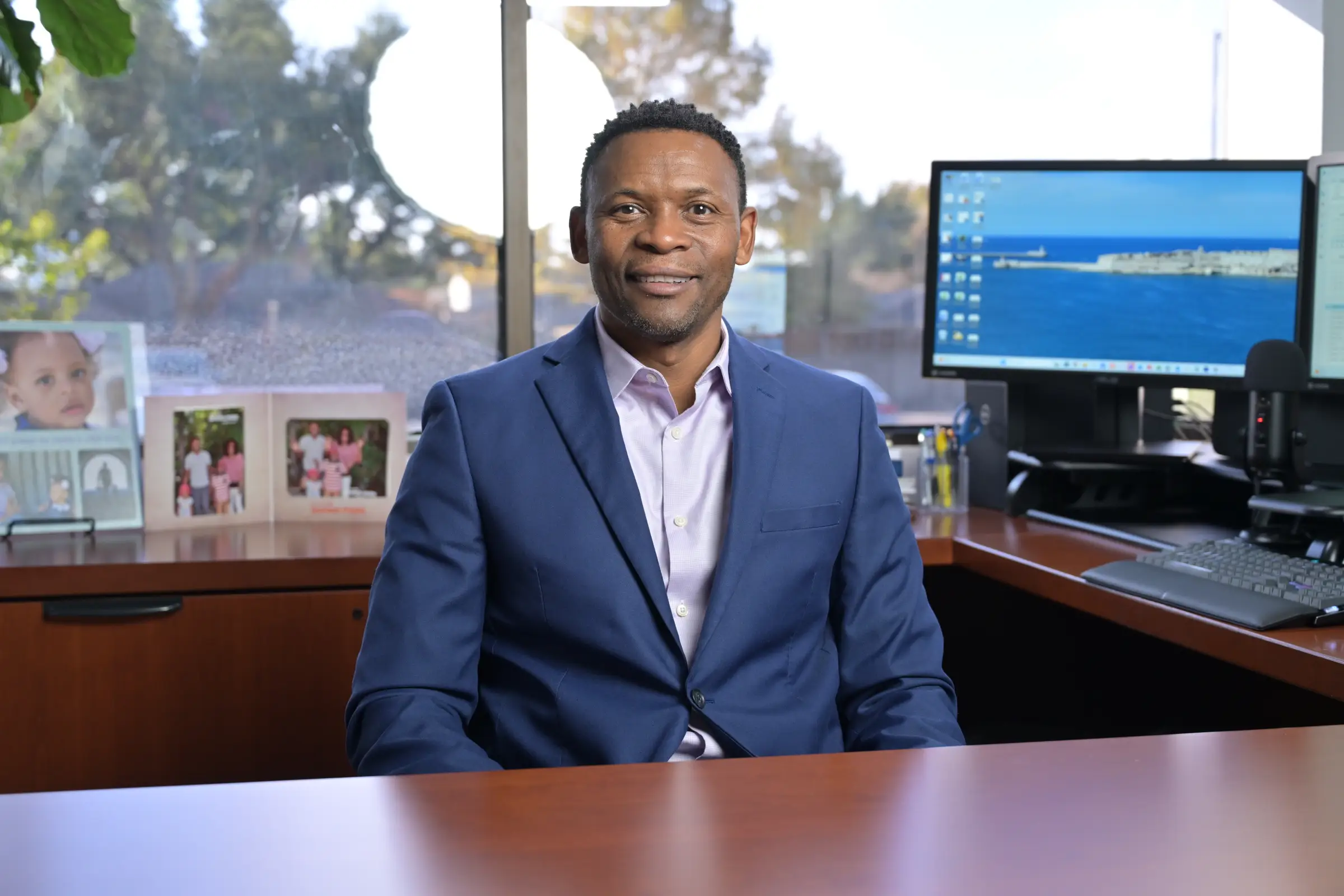
So what does a virtual CIO do on a day-to-day basis? A virtual CIO (vCIO) provides executive-level IT leadership to your business by developing technology roadmaps, managing IT budgets, overseeing vendor relationships, guiding cybersecurity strategy, and ensuring that every technology investment supports your growth objectives. Unlike a helpdesk technician who reacts to problems, the vCIO operates at the strategic layer, thinking six to twelve months ahead so your business is never caught off guard by a technology gap.
For business owners in the 20-to-500-employee range, understanding what a virtual CIO actually does day to day is the key to deciding whether this role belongs in your organization. At GXA®, the vCIO role is one of the core pillars of our Virtual IT Department model, and the practical, repeatable activities described below reflect how our vCIOs serve clients across North Texas every week.
IT Roadmap Planning and Strategy Development
The most important virtual CIO responsibility is developing and maintaining your 12-month IT roadmap. This is a living document that outlines every recommended project, timeline, and budget allocation for the year ahead. The vCIO builds it during onboarding, then revisits and updates it every quarter based on how the business has changed.
On any given week, this work looks like:
- Reviewing the current roadmap against shifting business priorities
- Identifying new technology opportunities such as cloud migration, automation, or AI adoption
- Sequencing projects so critical infrastructure work happens before nice-to-have upgrades
- Aligning IT initiatives with business goals discussed in leadership meetings
The roadmap is what separates a virtual CIO from a reactive IT support provider. Without it, technology decisions happen ad hoc, budgets spiral, and the business is always one step behind. With it, every IT dollar has a purpose and every project ties back to a business outcome.
Quarterly Business Reviews with Leadership
Every quarter, the vCIO presents a formal business review to your executive team. This is not a technical deep-dive filled with jargon. It is a business conversation about how technology is performing against the plan.
A typical quarterly business review covers:
- Progress against the IT roadmap including completed projects and upcoming priorities
- Budget performance showing actual spend versus plan and where adjustments are needed
- Security posture updates summarizing risk levels, any incidents, and recommended improvements
- Strategic recommendations for the next quarter based on business changes or emerging technology trends
These reviews give CEOs and business owners the visibility they need to answer the question that matters most: “Why am I paying for this?” When the vCIO presents a clear picture of how IT spending connects to business outcomes, that question answers itself.
Monthly Check-In Meetings
Between quarterly reviews, the vCIO holds monthly check-in meetings with stakeholders to stay aligned on emerging needs. These shorter sessions cover:
- Active project status and any blockers that require leadership decisions
- Emerging requests from department heads or team leads
- Vendor updates including contract renewals, pricing changes, or new options
- Upcoming milestones on the IT roadmap
At GXA, each vCIO manages approximately 20 clients. That focused ratio ensures your vCIO has the bandwidth to prepare for these meetings with context specific to your business, not generic talking points recycled across dozens of accounts.
Vendor Management and Cost Optimization
One of the most underappreciated virtual CIO responsibilities is vendor management. Most businesses have relationships with multiple technology vendors: internet service providers, phone systems, cloud platforms, software providers, copier companies, and more. When something goes wrong, these vendors often point fingers at each other, and nobody takes ownership.
The vCIO serves as the single point of accountability for all technology vendors. Day-to-day vendor management activities include:
- Reviewing vendor contracts before renewal to identify cost savings or better alternatives
- Automatic rate shopping for ISP renewals and SaaS subscriptions
- Coordinating between vendors when an issue spans multiple providers
- Evaluating new vendor proposals against business requirements and budget constraints
- Negotiating on behalf of the client to secure better terms or pricing
This is the “one throat to choke” model. Instead of your CEO calling three different vendors trying to figure out why the phones are down, the vCIO owns that coordination and resolution. The result is less time wasted, fewer finger-pointing situations, and measurable cost savings on vendor contracts.
Budget Development and Financial Oversight
The vCIO develops and manages your annual IT budget. This goes well beyond tracking expenses. It involves forecasting technology needs, planning capital versus operational expenditures, and making sure the business is investing appropriately rather than overspending or underspending.
Ongoing budget activities include:
- Building the annual IT budget with line-item detail that leadership can review and approve
- Tracking actual spend against budget on a monthly basis
- Identifying cost optimization opportunities such as consolidating redundant tools or renegotiating contracts
- Preparing business cases for recommended investments that require leadership approval
- Translating technical needs into financial language so CFOs and CEOs can make informed decisions
Budget clarity is consistently the number one concern for business leaders when it comes to IT. A good vCIO eliminates surprises and ensures that every dollar spent on technology can be traced to a specific business purpose.
Security Oversight at the Executive Level
While the vCIO is not the person configuring your firewall or monitoring your security alerts, they are responsible for your organization’s cybersecurity posture at the executive level. This means:
- Reviewing security assessments and ensuring identified gaps are being addressed
- Advising on cybersecurity investments such as security monitoring tools, endpoint detection, or phishing simulation programs
- Coordinating with security teams including your virtual CISO if you have one
- Ensuring compliance readiness for frameworks relevant to your industry
- Briefing leadership on security risks and the organization’s current risk profile
For businesses that subscribe to GXA’s gShield cybersecurity services, the vCIO works alongside the vCISO to ensure that security strategy and IT strategy remain aligned. The vCIO focuses on how security investments fit into the broader IT roadmap, while the vCISO dives deep into risk management, policies, and compliance.
Technology Alignment with Business Goals
Perhaps the most strategic part of what a virtual CIO does is ensuring that technology decisions are driven by business goals rather than technical preferences. This ongoing responsibility shapes every other activity.
In practice, technology alignment means:
- Attending or reviewing business planning discussions to understand growth targets, new markets, and operational changes
- Translating business objectives into technology requirements so the IT team builds what the business actually needs
- Advising on digital transformation initiatives including cloud adoption, workflow automation, and AI readiness
- Identifying technology bottlenecks that are constraining growth and recommending solutions
- Staying ahead of industry trends so the business can adopt new capabilities before competitors do
When a client tells their vCIO they plan to open a second office, the vCIO does not wait for someone to ask about network connectivity. They proactively develop a plan for the new location’s technology infrastructure, security requirements, and connectivity before the lease is signed.
How the vCIO Works with Your vITM
A virtual CIO does not operate in isolation. At GXA, the vCIO is paired with a virtual IT Manager (vITM) in a pod structure. Understanding the division of responsibilities is essential:
- The vCIO focuses on strategy: roadmaps, budgets, vendor management, and executive advisory
- The vITM focuses on operations: day-to-day IT health, monthly on-site visits (4 days per month per client), standards alignment, and reducing recurring issues
The vITM is the person with the deepest understanding of your specific technology environment. They flag operational issues that need strategic attention, and the vCIO incorporates those into the roadmap. This partnership ensures that strategy and execution stay connected rather than operating in separate silos.
Each vITM manages 10 to 15 clients, which gives them the bandwidth for the hands-on, on-site work that keeps your environment running smoothly. Together, the vCIO and vITM deliver both the strategic leadership and operational reliability that growing businesses need.
Frequently Asked Questions
How often does a virtual CIO meet with my team?
A typical vCIO engagement includes quarterly business reviews with executive leadership and monthly check-in meetings for ongoing alignment. The vCIO is also available for ad-hoc advisory between scheduled meetings when urgent decisions arise.
Is a virtual CIO the same as a fractional CIO?
In practice, the terms are used interchangeably. Both describe an outsourced technology executive who provides strategic IT leadership on a contracted basis rather than as a full-time employee. You can learn more about the role in our complete guide to virtual CIO services.
Does the virtual CIO replace my internal IT team?
No. A vCIO complements your internal team by providing the executive strategic layer that most internal IT staff do not have time for. Your internal team handles day-to-day support while the vCIO focuses on roadmap development, budget planning, and technology alignment with business goals.
What size company benefits most from a virtual CIO?
Companies with 20 to 500 employees are the ideal fit. Smaller organizations often do not have the complexity that requires executive IT leadership, while larger organizations typically have the budget to hire a full-time CIO. Businesses in the middle get the most value from the virtual model.
How is a virtual CIO different from an IT support provider?
An IT support provider reacts to problems after they occur. A virtual CIO works proactively, developing strategy and roadmaps that prevent problems and align technology with business growth. The vCIO operates at the executive level while support teams handle daily technical issues.
Take the Next Step
Understanding what a virtual CIO does is the first step toward transforming technology from a cost center into a growth engine. With over 21 years of experience providing fractional CIO services to North Texas businesses, GXA® delivers the strategic IT leadership that growing companies need, backed by ISO 9001:2015 certification and SOC 2 Type II attestation.
Schedule a consultation to discuss how a dedicated vCIO from GXA can align your technology investments with your business goals.